
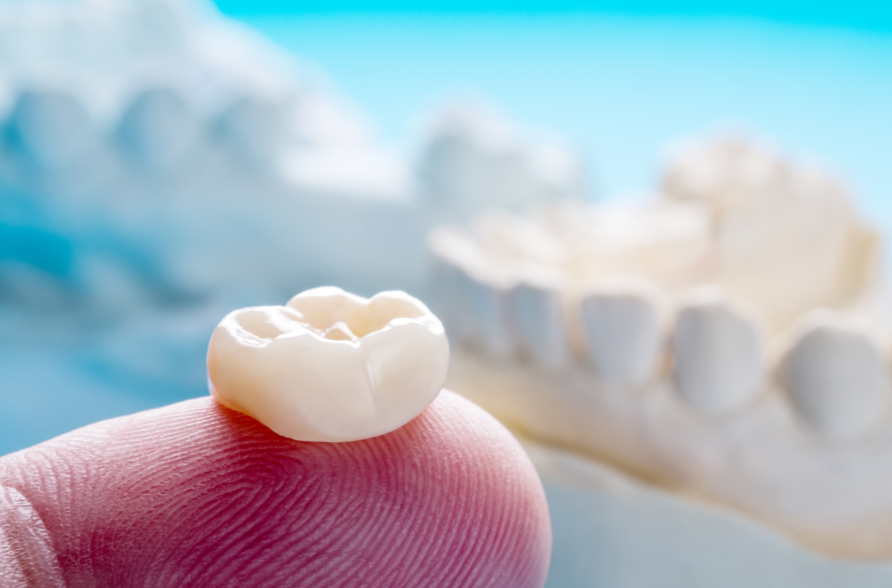
If you have a cavity or damaged tooth, you may be wondering whether you need a filling or a dental crown. Both treatments can restore a tooth’s appearance and function, but they are designed for different situations. The right choice depends largely on how much of the tooth remains healthy and how much strength and protection it needs.
Understanding the difference can make your next dental appointment feel a little less confusing.
When Is a Filling the Better Choice?
Dental fillings are generally used to repair teeth with smaller areas of decay or damage. During the procedure, the dentist removes the decayed portion of the tooth and fills the space with a restorative material. Tooth-colored fillings can also blend in with the surrounding tooth structure for a natural-looking result.
A filling may be appropriate when the tooth still has enough healthy structure to remain strong on its own. Fillings are also typically less extensive than crowns because they restore only the portion of the tooth affected by decay or damage.
However, a filling is not always the best solution for a larger cavity. If too much of the tooth has been compromised, placing a filling may leave the remaining structure vulnerable to cracking or further damage.
When Is a Dental Crown Recommended?
A dental crown is a restoration that covers the entire visible portion of a tooth above the gumline. Rather than simply filling a damaged area, a crown provides additional protection and support to the remaining tooth structure.
Crowns may be recommended when a tooth has extensive decay, a large existing filling, significant cracks or fractures, or substantial structural damage. They are also commonly used to restore teeth following root canal treatment.
Because a crown covers the tooth, it can help restore its shape, appearance, and function while providing additional protection against everyday chewing forces.
Crown vs. Filling: What’s the Difference?
The biggest difference is how much of the tooth each restoration covers. A filling repairs a specific area, while a crown covers and protects the entire visible portion of the tooth.
This distinction is important because preserving as much healthy natural tooth structure as possible is generally desirable. If a tooth can be successfully restored with a filling, a crown may not be necessary. On the other hand, using a filling when a tooth needs the additional support of a crown could leave it at greater risk of breaking.
The location of the tooth, the amount of remaining healthy structure, your bite, and your overall oral health can all factor into the decision.
Let Your Dentist Make the Call
It can be tempting to decide between a crown and filling based on how the tooth looks or how much it hurts, but the extent of damage is not always obvious from the outside. Your dentist can examine the tooth and may use dental X-rays to determine how much healthy structure remains.
Your dentist can then explain your options and recommend the restoration that provides the appropriate balance of tooth preservation, strength, function, and appearance.
When it comes to restoring a damaged tooth, the best treatment is the one that gives it the support it needs while preserving as much healthy structure as possible.
About the Practice
Crossroads Family Dentistry is a Virginia dental practice offering comprehensive care for patients of all ages, including preventive, restorative, and cosmetic dentistry. Its restorative services are designed to repair damaged or decayed teeth while helping patients maintain comfortable, functional smiles.
The dental team takes a personalized approach to treatment, evaluating each patient’s oral health and discussing appropriate restorative options based on their individual needs.
Call us at (434) 841-1704 or schedule your appointment online