
Tooth Extractions – Forest, VA
Remove Your Troublesome Tooth and Preserve Your Smile

At Crossroads Family Dentistry, you can count on our team to do everything possible to protect your natural teeth. However, if you have a severely decayed or damaged tooth that is too injured to be repaired effectively, Dr. Hatch may have no recourse but to recommend extraction.
Our team can carefully remove your troublesome tooth and preserve your smile, but it’s natural to have questions about why this procedure might be recommended and what to expect. Continue reading to learn more about tooth extractions, and please don’t hesitate to contact us for additional information or to schedule an appointment.
Why Choose Crossroads Family Dentistry for Tooth Extractions?
- Multi-Lingual Staff for Enhanced Communication
- Dentists with Decades of Combined Experience
- Advanced Technology for Accurate Results
Reasons Why Tooth Extractions Are Necessary

Are you wondering why an extraction was recommended? The answer depends significantly on your unique circumstances and current dental condition, but Dr. Hatch might suggest this treatment to patients in Forest for the following reasons:
- You have a tooth that’s too severely damaged to be fixed with a filling, root canal, or dental crown.
- To ensure there’s enough space in your mouth for orthodontics to be successful
- For another prosthetic, such as dentures, to fit correctly.
- You have wisdom teeth that are likely to become problematic if they are not removed.
- A tooth has become impacted, trapped, or infected.
The Process of Removing a Tooth

Although your experience may vary slightly depending on your individual situation, you can usually expect the following to occur during your procedure. First, we will numb the area so you might feel pressure while we work, but not pain. Then, Dr. Hatch will use a special device known as an ‘elevator’ to help lift your tooth from its socket. This allows him to grasp it gently with forceps and wiggle it free. If you are having a molar or wisdom tooth removed, the enamel may need to be broken into smaller pieces to be removed without harming your jawbone.
We usually also recommend replacing your extracted tooth sooner rather than later, and we are happy to discuss the various options with you.
Tooth Extraction Aftercare

Your mouth must form a blood clot over the extraction site to protect the recently exposed nerves, bone, and other tissues, or you might develop a painful complication known as dry socket. Many of Dr. Hatch’s instructions are intended to protect and preserve this clot so you can heal quickly while avoiding adverse effects.
Our team typically recommends:
- Taking any prescribed medications as directed.
- Rinse your mouth gently with salt water to keep it clean for the first 24 hours rather than brushing and flossing.
- Drink plenty of water from a cup, but avoid straws because the force of suction can dislodge the clot.
- Don’t smoke cigarettes, vapes, or use other tobacco products.
- Avoid strenuous physical activities that elevate your heart rate or blood pressure.
- Prop your head up at night to avoid potential aches.
Understanding the Cost of Tooth Extractions

Tooth extractions are never your dentist’s first choice. However, sometimes they are necessary to preserve the health of the rest of your smile. During your appointment, we will discuss the cost of your treatment in detail so that you know what to expect. Until then, here’s what you should keep in mind.
Factors That Can Affect Tooth Extraction Cost
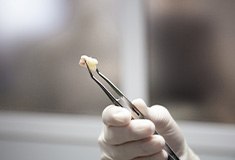
The are multiple factors that contribute to the cost of tooth extractions. Here are some that male a big difference.
- Number of Teeth: The more teeth that need to be extracted, the longer the procedure will take. Ultimately, the longer the procedure, the higher the cost will be.
- Complexity: Depending on where your teeth are located and whether they are impacted, the cost can vary. Some extractions are easier to perform than others, which require additional time.
- Tooth Replacement: If you need to replace your extracted tooth, you should consider the cost of your tooth replacement as well.
Does Dental Insurance Cover Tooth Extractions?

Dental insurance providers usually cover tooth extractions between 50% and 80%. However, there may be limits in place or a waiting period before your coverage kicks in. Every plan works a little bit differently, so it is good idea to confirm this ahead of time so that you don’t run into any surprises on your bill. If you need help understanding your plan or what it covers, don’t hesitate to reach out.
How to Make Tooth Extractions Affordable

If you don’t have dental insurance, this doesn’t mean that you are completely out of luck. We are happy to accept payments through CareCredit – a third-party financing company that can split the cost of your treatment into manageable monthly installments with little to no interest. If you want to learn more or need help applying, don’t hesitate to contact us.
Tooth Extractions FAQs
How Soon Can I Eat After My Tooth Extraction?
Waiting at least an hour to eat after your tooth extraction in Lincoln is important for a few reasons. To start, this allows the gauze to stay in place and slow down the bleeding. Plus, eating before you’ve regained full sensation in your mouth can lead to you accidentally biting your tongue or burning the soft tissue. So, it’s important that you wait until the numbing agent has completely worn off.
Important reminder: You need to stick to a liquid diet (without using a straw) for the first 24 hours. After that, you can begin eating applesauce, cottage cheese, plain yogurt, and other extremely soft foods.
How Should I Prepare for My Tooth Extraction?
In the weeks leading up to your procedure, it’s important to avoid tobacco products, limit your intake of alcohol, and arrange for someone you know and trust to drive you to and from our office. If you can, you should also pick up everything you need for the recovery period, like cold compresses and OTC pain medication. Then, the night before, do your best to get eight hours of sleep so you are well rested.
Does Getting a Tooth Extracted Hurt?
This is a very common question we hear from patients, especially patients who struggle with dental anxiety. If you’ve been wondering the answer as well, we have good news: the first step of the procedure is always to numb your mouth thoroughly. That way, you don’t feel any pain as we work to remove the tooth or teeth in question. Our team at Crossroads Family Dentistry will also provide you with a list of aftercare instructions (i.e., use a cold compress for 10 minutes at a time, take prescribed or OTC pain medication as directed, avoid crunchy, sticky, and spicy foods) to ensure the healing period goes smoothly as well.
What Can I Do to Speed Up the Healing Time?
While some of our patients look forward to 2-4 days of uninterrupted rest, others are antsy to get back to their usual routine. If you fall into the latter camp, then you might be tempted to resume your workout regimen or diet sooner than instructed. However, doing so can delay the healing process significantly. So, it’s of the utmost importance that you follow the instructions your emergency dentist gives you to a tee.
What Are My Options for Replacing a Missing Tooth?
Our team at Crossroads Family Dentistry is proud to offer three tooth-replacement solutions: dental bridges, dentures, and dental implants. The one that’s best for you will depend on a few factors, including how mild or severe your tooth loss is. Rest assured, we will be here to cover all of your options, answer any questions you have, and share our recommendations so you can feel confident deciding how you want to proceed.