
Preventive Dentistry - Forest, VA
Keep Healthy Smiles Strong
If left up to us, we’d much rather help a patient avoid developing a dental problem in the first place than have to fix it later. The best kind of cavity is one that never happens, right? That’s why our dental office places such a heavy emphasis on preventive care. With the preventive dentistry services detailed below, our team is able to stop many of the most common dental issues before they even start, and that’s great not only for your smile but for your wallet as well! If it’s time for your next dental checkup and teeth cleaning, be sure to give us a call today.
Dental Checkups & Teeth Cleanings
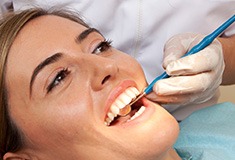
Ah yes, the standard checkup and cleaning, two of the best ways to keep a person’s pearly whites nice and…pearly as the years go by! These appointments give our team the chance to learn all we can about a patient’s dental health and catch problems in their earliest stages. They also include a dental cleaning, which is essential for removing harmful plaque and bacteria deposits from those areas in the mouth your brush and floss can’t reach! We recommend that everyone over the age of four have at least two checkups and cleanings each year. Why? Click on the link below to learn more.
Learn More About Dental Checkups & Cleanings
Children’s Dentistry

As a parent, you already have plenty of things to worry about, and taking care of your child’s teeth is just another spinning plate in the air that can come crashing down if you’re not careful. Fortunately, the team at Crossroads Family Dentistry is ready to provide all of your child’s dental care in one convenient location. We have years of experience meeting the unique dental needs of children, plus as parents ourselves, we’ll know just how to keep your little one calm and relaxed during their appointments.
Dental Sealants
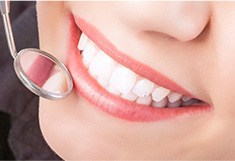
Sometimes, it would be nice if you could just saran wrap your child to keep them safe, but while this practice is somewhat questionable (and likely illegal), we’re basically able to do it to protect your little one’s teeth. For a dental sealant, we’ll apply a clear, thin layer of a plastic-based substance to your child’s most vulnerable teeth (usually the back ones), and this will harden into an invisible barrier that will keep out cavity-causing food particles, bacteria, and acids for years to come.
Learn More About Dental Sealants
Nightguards for Bruxism
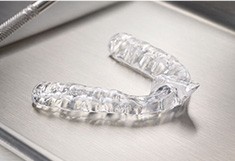
Bruxism isn’t a term many people know, but research actually suggests that 1 in 3 people suffer from it. What is it, you ask? It’s actually a condition where a person unconsciously clenches their jaw and grinds their teeth while they sleep, and this can lead to worn down and even broken teeth over time. Bruxism can also lead to TMJ problems, facial muscle pain, headaches or exacerbate each of these conditions. We can help patients overcome this sneaky problem with the help of a nightguard. This small, custom-made mouthpiece fits comfortably over the teeth and provides a protective barrier to prevent them from grinding at night.
Learn More About Nightguards for Bruxism
Oral Cancer Screenings

Oral cancer is one of the most serious conditions a dentist can screen for, but it’s also one of the most treatable when caught early. That's why our team includes a thorough screening as part of every routine checkup. It's quick, painless, and could make all the difference when it comes to your health. Oral cancer screenings in Forest are the single most powerful tool you have against this disease, and we take that responsibility seriously.
Signs and Symptoms of Oral Cancer

Oral cancer symptoms can be very subtle. It doesn't always announce itself with obvious pain, which is part of what makes screenings so important. Common warning signs include:
- Sores or ulcers in your mouth that don't heal within two weeks
- Red or white patches on your gums, tongue, or inner cheeks
- Persistent hoarseness, sore throat, or a change in your voice
- Difficulty chewing, swallowing, or moving your jaw or tongue
- Numbness or unexplained bleeding in your mouth, lips, or tongue
- A lump or thickening in the soft tissues of your mouth or throat
- Loose teeth or general discomfort while eating
Having one or two of these symptoms doesn’t always mean you have oral cancer, but it’s always best to be safe. If you notice any of the above between visits, schedule an appointment as soon as possible.
What Does a Dentist Look for During an Oral Cancer Screening?
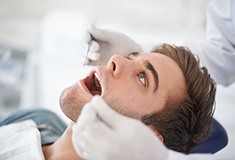
During an oral cancer screening, your dentist is looking for any tissue changes that fall outside of what a healthy mouth should look like. The examination covers your entire mouth, including your lips, tongue, floor and roof of your mouth, inner cheeks, gums, and the back of your throat.
More specifically, they’re checking for red or white lesions, irregular textures, asymmetry, and any areas that appear swollen, thickened, or ulcerated. Your dentist will also feel along your jaw and neck to check for any enlarged lymph nodes, which can be an early indicator of a spreading issue.
It’s important to our team that we leave no stone unturned when searching for oral cancer symptoms. That’s why we’ll often find things that look suspicious and ask you to come in for follow-ups.
This doesn’t mean you have oral cancer. In fact, more often than not, canker sores, ulcers, or irritation end up benign. But because oral cancer can look just like these everyday issues in its early stages, we don’t leave anything to chance.
What Can I Expect During My Screening?

An oral cancer screening takes just a few minutes and is performed as part of your regular checkup, so there’s no separate appointment needed. You won't feel any discomfort, and there's nothing you need to do to prepare.
Your dentist will begin with a visual examination, checking all the soft tissues inside your mouth using a small light and mirror. During this inspection, they may gently touch suspicious areas to check for firmness or sensitivity.
They’ll continue this process, looking at your lips, tongue, the floor and roof of your mouth, your gums, and the insides of your cheeks. Your dentist will also gently press along the sides of your neck and jaw to feel for any swelling or lumps.
The whole exam is over in a few minutes. If everything looks healthy, your dentist will let you know and continue with the rest of your visit. However, if they spot something worth noting, they'll explain exactly what they found, what it may or may not mean, and what the next steps are. Dentists can’t diagnose oral cancer, but our team can give you a good risk assessment so you can talk to your doctor.
Fluoride Treatment
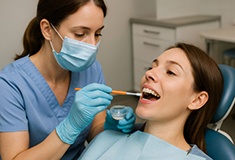
Routine examinations and cleanings help us monitor your dental health so we can catch and treat any areas of concern, such as thinning enamel, before they become more problematic. This topical service helps strengthen the protective outer layer of your teeth, reducing the risk of developing damage, disease, or cavities, which can negatively affect your dental health.
Continue reading to learn more about how this procedure works and when it might be recommended!
What is Fluoride?
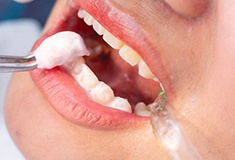
Fluoride is a naturally occurring mineral found in various water sources, such as lakes, creeks, and rain, and is therefore also present in soil and various plants. It’s often added to public water supplies and dental products, such as toothpaste, because it helps remineralize your enamel to help keep it strong.
In overly large doses, fluoride can be toxic, but only small, safe amounts are used in drinking water or included in dental treatments. Sometimes, young children who ingest too much toothpaste develop side effects, such as stomachaches or indigestion, which is partly why many experts recommend monitoring their oral hygiene habits until they’re old enough to care for themselves more independently.
How Does Fluoride Treatment Work
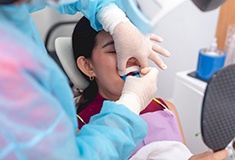
Fluoride treatment is often suggested as a follow-up preventive measure after routine examinations and cleanings. This service typically involves applying a gel or foam to the teeth and letting it sit for a few minutes. Then, we might direct you to avoid eating or drinking anything for 30 to 60 minutes to allow the active ingredients to take effect.
This can be a quick and effective, but minimally invasive, way to help strengthen your smile and prevent dental problems.
Who Benefits from Fluoride Treatment?
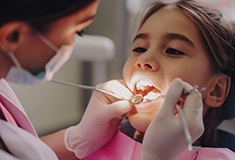
Fluoride is considered safe for most children and adults, though is more commonly suggested to help protect still-developing smiles. In addition to offering this service at the end of routine visits, we might also recommend it for patients who:
- Have special needs that make dental maintenance more challenging.
- Have medical concerns or conditions, like diabetes or pregnancy, that increase the likelihood of developing certain oral problems.
- Have sensitivity due to weakened enamel.
Gum Disease Therapy
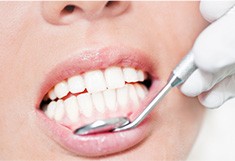
When it comes to your oral health, the condition of your gums is actually just as important as your teeth! If ignored, they can develop an infection known as periodontal disease, better known as gum disease, which can eventually lead to tooth loss. This is why we’ll screen your gums whenever you come to see us, and should we spot even the slightest hint of a problem, we’ll use a variety of gum-centric treatments to help keep your smile happy and whole.
Learn More About Gum Disease Therapy
TMJ/TMD Therapy
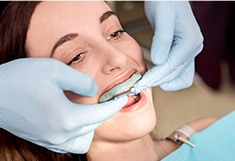
If you place your fingers right in front of your earlobes and move your mouth, those little joints you feel are actually called your TMJ, or temporomandibular joint. They are what allow your jaw to move fluidly, but like other joints in the body, they can often develop issues due to strain, injury, or arthritis. This can lead to what is called a TMJ disorder, or TMD for short. Symptoms of this issue include a stiff/painful jaw, chronic headaches, and even teeth grinding. Fortunately, we can take care of this problem right here in our office so you won’t have to visit a specialist.
Learn More About TMJ Treatment
All-Digital Dental X-Rays
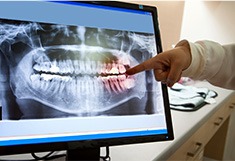
We use X-rays every day to catch problems hidden beneath the surface of the teeth and gums, and thanks to the digitization of dentistry, this tool is now better than ever. Digital X-rays only take seconds to develop, and compared to traditional, film-based X-rays, they emit up to 80% LESS radiation! This is great for our patients’ peace of mind, especially those who have small children. We can even display these images on a nearby monitor for you to go over and better understand with your dentist.
Emergency Dentistry

Accidents happen, and sometimes, it’s the teeth that pay the price. Should you or your child experience a knocked out tooth, severe toothache, or damaged dental work, don’t panic—just call Crossroads Family Dentistry. Our team will give you first-aid tips over the phone to help you get the situation under control and schedule an emergency appointment so we can relieve your pain as quickly as possible. What qualifies as a dental emergency? Click on the link below to find out!
More to Explore
Restorative Dentistry Cosmetic Dentistry Dental Implants View Our Services