
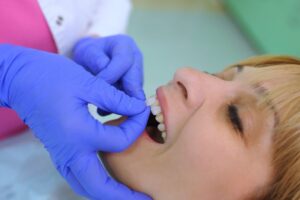
Dental veneers are one of the most popular cosmetic dentistry treatments for improving the appearance of stained, chipped, worn, uneven, or slightly misaligned teeth. While veneers can dramatically transform a smile, many patients are concerned about the preparation process and wonder how much of their natural tooth enamel must be removed.
The amount of enamel removed for veneers is typically minimal, but it varies depending on the patient’s needs and the type of veneer being placed.
Why Enamel Removal is Necessary
Veneers are thin shells of porcelain or composite material that are bonded to the front surfaces of teeth. To ensure the veneers look natural and fit comfortably, a small amount of enamel is often removed before placement.
Without this preparation, the veneers could appear bulky or make the teeth feel larger than normal.
Enamel removal helps create space for the veneer while allowing it to blend seamlessly with the surrounding teeth.
How Much Enamel is Typically Removed?
In most cases, only a very thin layer of enamel is removed, usually about 0.3 to 0.7 millimeters. To put that into perspective, this amount is often compared to the thickness of a fingernail.
The exact amount depends on several factors, including:
- The condition of the teeth.
- The desired cosmetic result.
- The type of veneer material.
- The position of the teeth.
Dentists strive to preserve as much healthy tooth structure as possible while creating enough room for a natural-looking restoration.
Are No-Prep Veneers an Option?
Some patients may qualify for no-prep or minimal-prep veneers, called lumineers. These veneers are extremely thin and may require little to no enamel removal.
However, no-prep veneers are not suitable for everyone. Patients with certain alignment issues, tooth shapes, or cosmetic concerns may achieve better results with traditional veneers.
A thorough evaluation is necessary to determine the most appropriate treatment option.
Is Enamel Removal Permanent?
Because enamel does not regenerate, any enamel removed during the veneer preparation process is permanent.
For this reason, veneers are generally considered an irreversible treatment. Once a tooth has been prepared for a veneer, it will typically require some type of restoration moving forward.
This is why careful planning and consultation are important before beginning treatment.
Benefits of Conservative Veneer Preparation
Modern cosmetic dentistry focuses on preserving as much natural tooth structure as possible. Conservative preparation techniques offer several advantages, including:
- Reduced sensitivity.
- Stronger remaining tooth structure.
- Natural-looking results.
- Improved long-term oral health.
Advances in materials and technology have made it possible to achieve beautiful results with less enamel removal than ever before.
While veneers do require some enamel removal in most cases, the amount is typically very small. By removing only a thin layer of enamel, dentists can create space for veneers that look natural, feel comfortable, and dramatically enhance the appearance of a smile. A consultation with your dentist can help determine the best veneer option for your unique needs and goals.
About the Practice
Do you have several cosmetic imperfections in your smile you’d like to remedy with one solution? Our answer is porcelain veneers! Our team at Crossroads Family Dentistry in Forest can outfit you with a prosthesis that fits perfectly over your teeth to cover any visible imperfections and improve your smile, so you’ll be proud to grin in photos again. If you’re ready to transform your smile and your life, book online or call (434) 841-1704.